The Science Behind Scaled Up Tutoring
Learn more about how I put the science of learning into practice so skills stick, confidence grows, and results follow.
Science Backed Tutoring
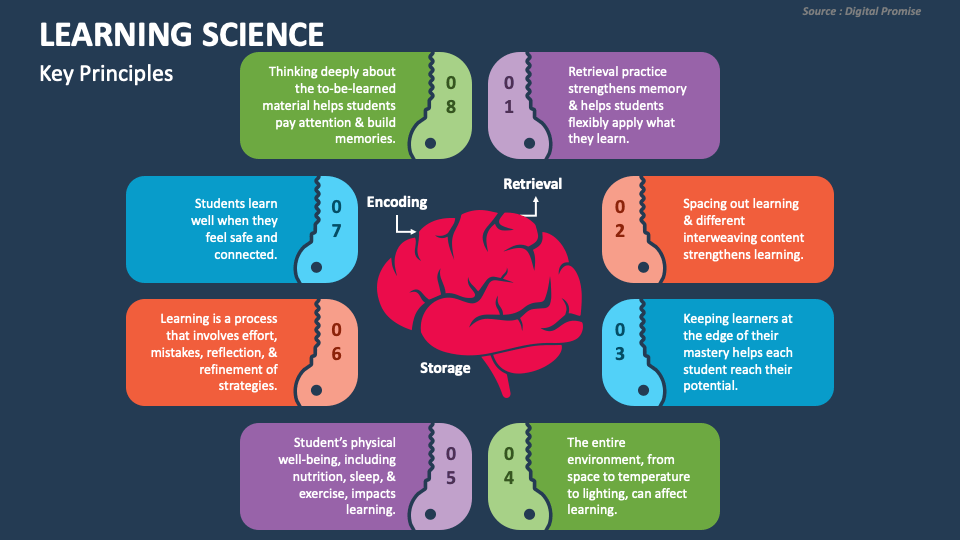
I actively read peer-reviewed research in cognitive psychology and education, then translate it into simple routines that actually stick: retrieval practice (recall over re-reading), spaced repetition (smart revisits over time), interleaving (mixing related problem types), worked examples → faded steps (model, guide, then go solo), and timely feedback to correct fast. In sessions, this looks like quick recall warm-ups, spiral reviews, mixed sets, and clear takeaways—so memory strengthens, confidence grows, and results follow.
What this means for you:
-
Study time that actually builds long-term memory (not short-term cramming)
-
Clear routines for recall, review cycles, and mixed practice
-
Faster error correction with immediate, targeted feedback
-
Better transfer—skills apply to new problems and test formats
-
Steady confidence gains you can feel from week to week


Staying Current on SAT & ACT
I sit for multiple official SAT and ACT administrations each year to keep my prep aligned with reality: current question styles, section pacing, scoring nuances, calculator expectations, and proctoring conditions. I translate those first-hand insights into lessons, drills, and test-day checklists, so your practice mirrors what you’ll actually see.
What this means for you:
-
Strategies shaped by the latest formats and trends
-
Realistic timing plans and section-by-section tactics
-
Accurate practice sets and full-length mocks that feel authentic
-
Clear guidance on policies and what to expect on test day
Data Driven Practice Tests
Full-length, timed practice tests provide clean data on strengths, gaps, and pacing: far better than scattered homework. We start with a diagnostic and target-score plan, then cycle through realistic mocks and detailed reviews that track accuracy by topic, error type, and time per question. Those insights turn into focused drills, mini-goals, and clear next steps so each week targets the highest-leverage improvements.
What this means for you:
-
Accurate baseline and trend tracking over time
-
Item-level analysis (content, question type, and timing)
-
Personalized pacing plans and guessing strategy
-
Score reports with concrete next steps and checkpoints


Keeping Students Engaged
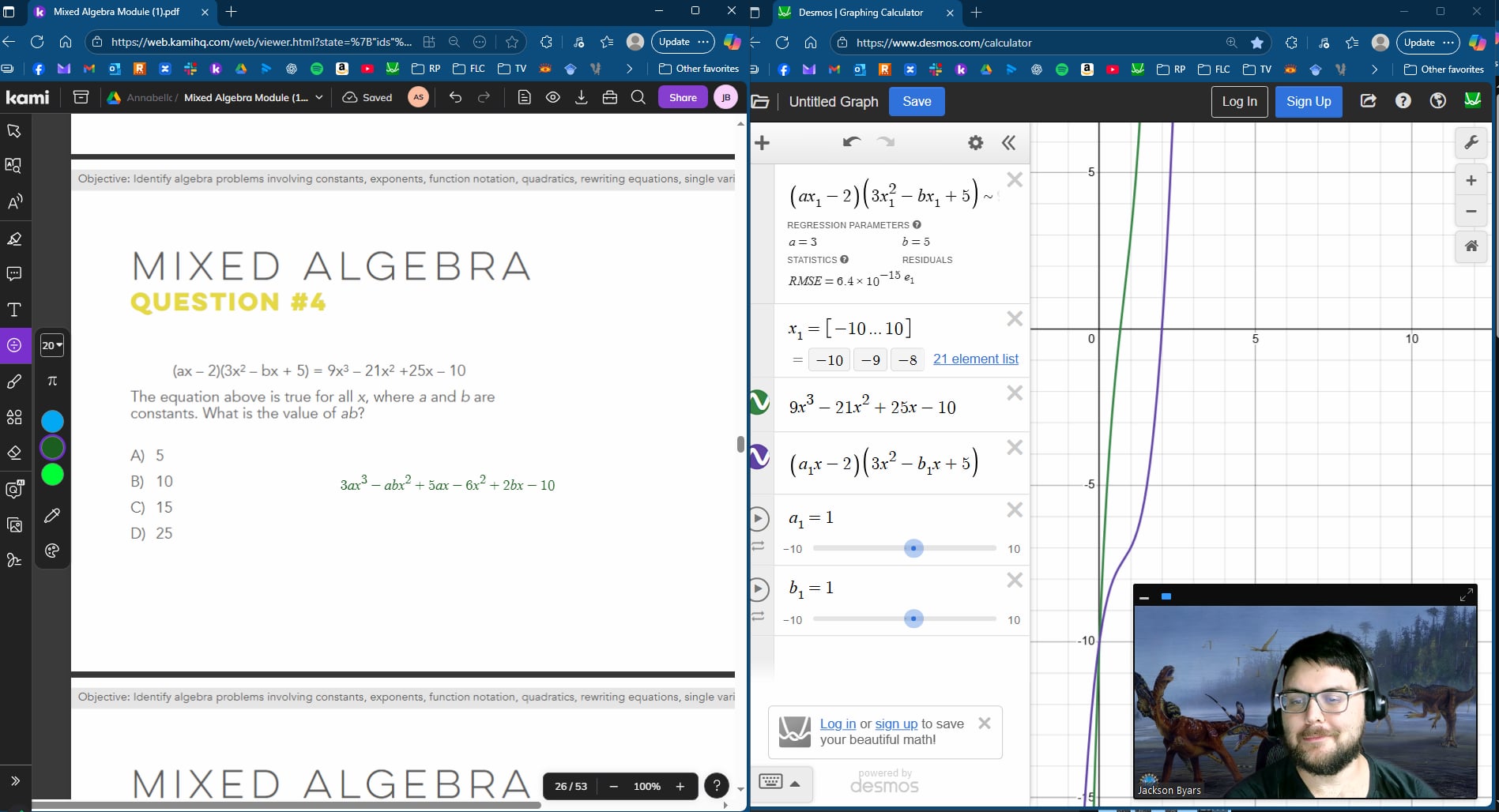
Sessions are hands-on, not passive. On Zoom, we co-work in real time with screen share and quick checks so students explain steps, try ideas, and get immediate feedback. In Kami (software we can both annotate on), we mark up passages and problem sets together so students leave with clean, reviewable takeaways. Students will always have access to the documents for review later.
What this looks like:
-
Zoom screen share and think-alouds to keep focus and verify understanding
-
Working through problems with instant feedback and next-step prompts
-
Kami annotations, highlights, margin notes, and worked steps saved for later review
-
Organized PDFs after each session (no lost notes, easy to revisit before quizzes)
Why it works: active participation + clear visuals + saved notes = better retention and faster progress.